
Design Foundations
The foundation of any successful e-reader application lies in its ability to provide a comfortable and intuitive reading experience. This involves careful consideration of typography, layout, and user interface elements, ensuring they work harmoniously to support the primary function: reading.
Typographic Choices
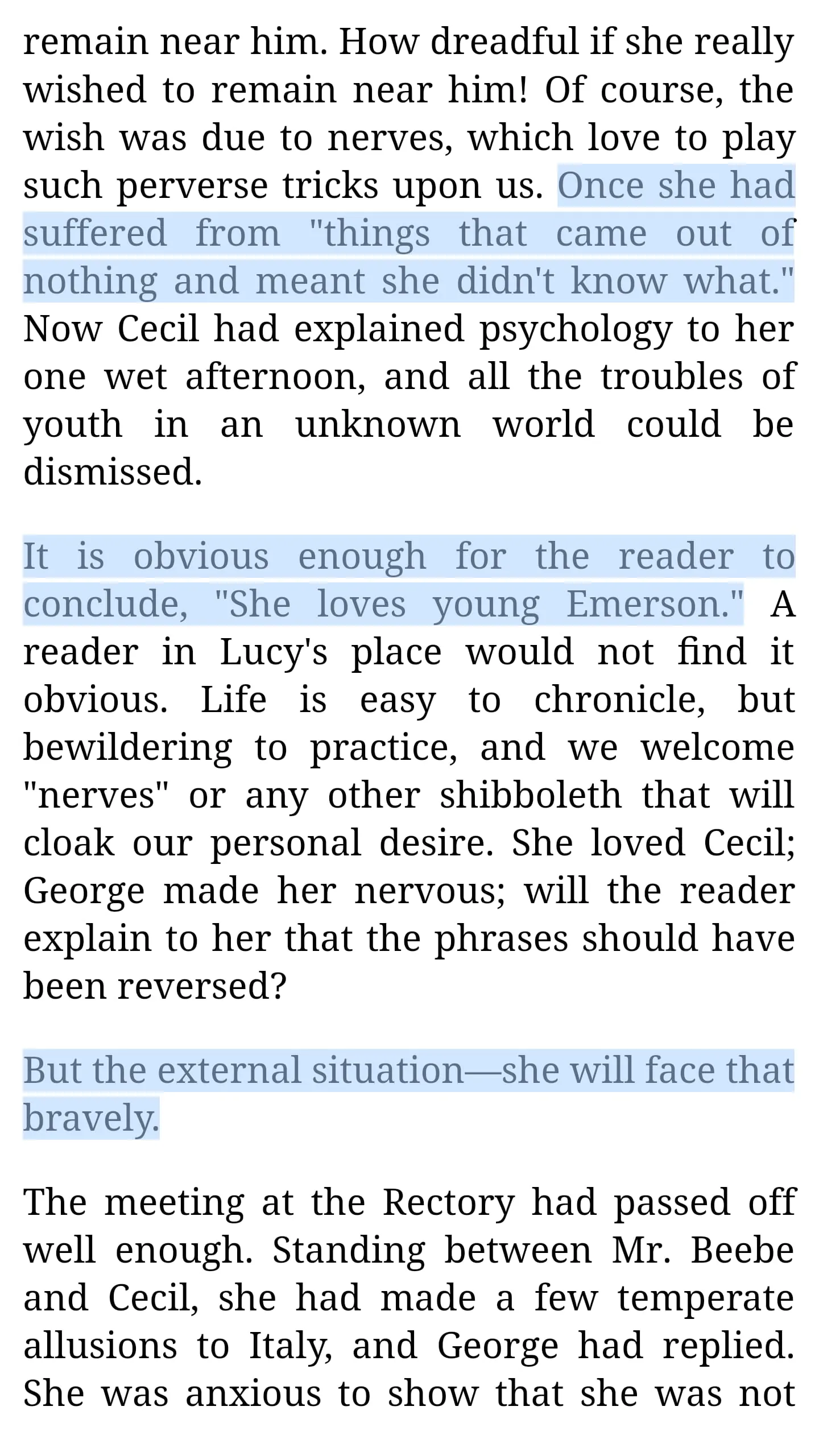
Font selection plays a crucial role in readability. Variable fonts that offer adjustable weight and width offer a solid foundation for customizing the reading experience. A well-chosen default font, coupled with several alternatives, caters to diverse user preferences and accessibility needs. Consideration should be given to the x-height, stroke contrast, and overall legibility of each font.
Structure Elements
The structural elements encompass the application's core functionalities: book organization, reading modes, and navigation. Each element should be designed with efficiency and user-friendliness in mind, ensuring a seamless flow between different sections of the application.
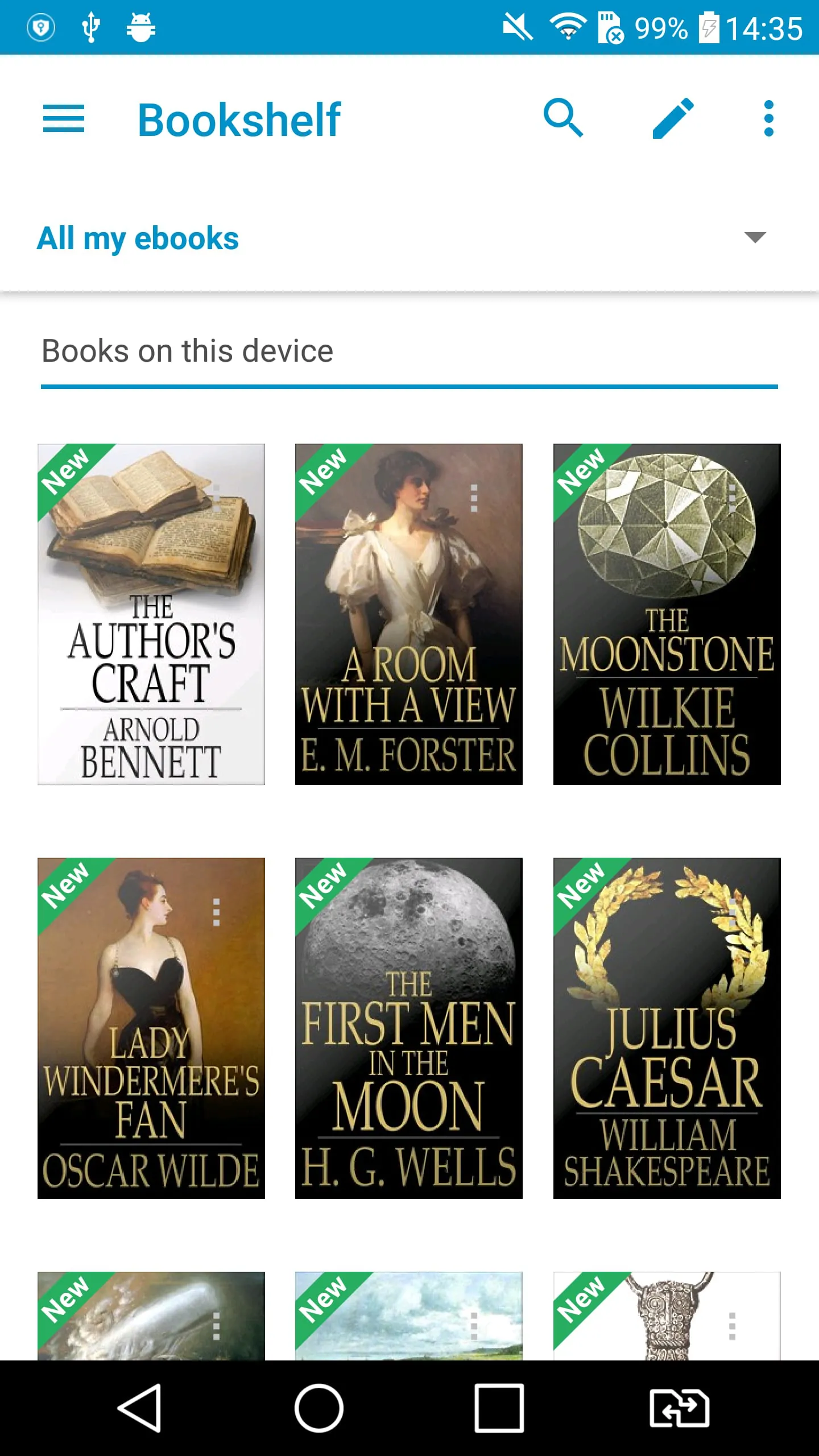
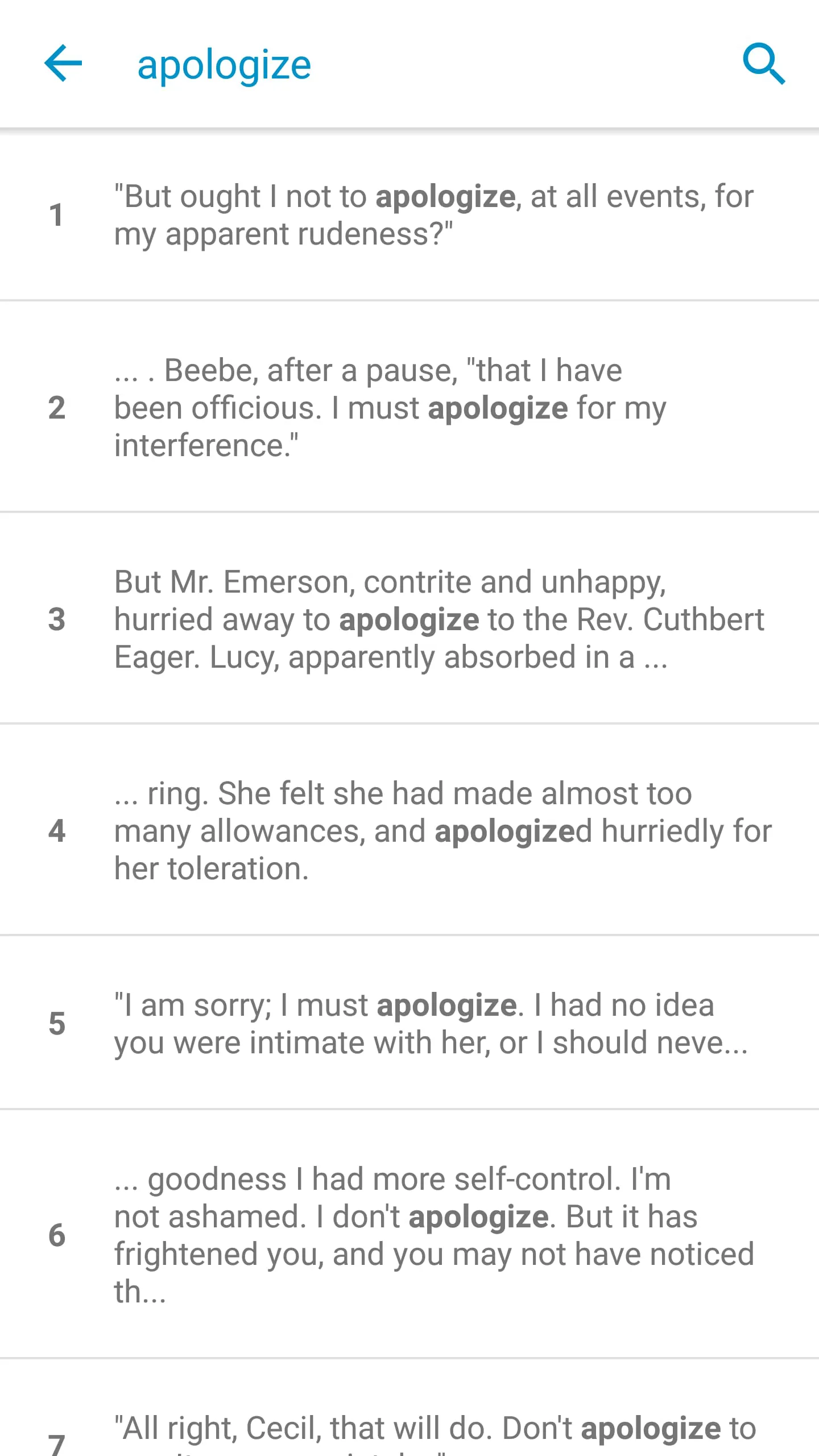
- Library Management: A robust system for importing, categorizing, and searching books is essential.
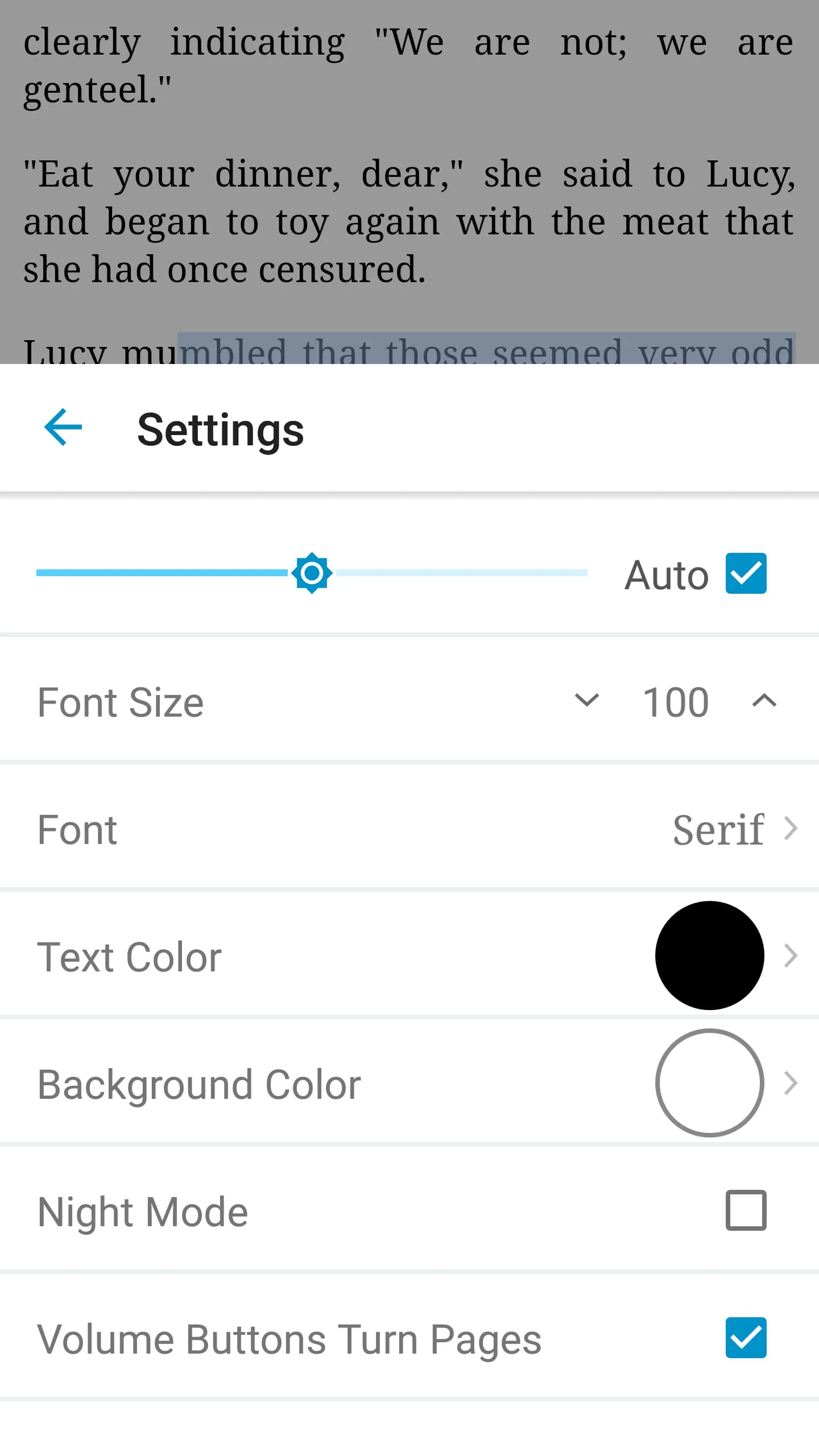
- Reading Modes: Customizable settings for brightness, contrast, and screen orientation enhance comfort.
- Navigation: Intuitive controls for page turning, chapter selection, and progress tracking are crucial.
Experience Blueprints
The blueprint of the user experience is largely defined by the level of customization offered. Users should have the ability to tailor the reading environment to their specific needs and preferences, creating a personalized and immersive experience.
Customization Options
Beyond font and layout adjustments, consider features like margin control, line spacing adjustments, and custom color themes (day, night, sepia) to enhance comfort and reduce eye strain.
Space Organization
Effective spatial organization within the app contributes to a streamlined and focused reading environment. Minimizing distractions and prioritizing content display are key considerations. The information architecture needs to be clear and predictable.
- Clear Visual Hierarchy: Employ visual cues to guide the user's eye and highlight important information.
- Minimalist Design: Avoid clutter and unnecessary elements that can detract from the reading experience.
- Intuitive Layout: Arrange elements in a logical and predictable manner.
Flow Patterns
The flow patterns within the application dictate how users navigate between different sections and functionalities. A smooth and intuitive flow is crucial for maintaining user engagement and satisfaction. Clear pathways must be available for key user journeys.
- Seamless navigation between library, reading screen, and settings.
- Quick access to frequently used features.
- Complicated settings menus.
- Unclear navigation.
Overall Design Value
The overall design value of an e-reader application is determined by its ability to seamlessly integrate functionality, aesthetics, and user experience. The design should not only be visually appealing but also highly functional and user-friendly. By prioritizing these aspects, an e-reader application can provide a truly enjoyable and enriching reading experience.