Understanding Real-Time Tracking: A Practical Introduction
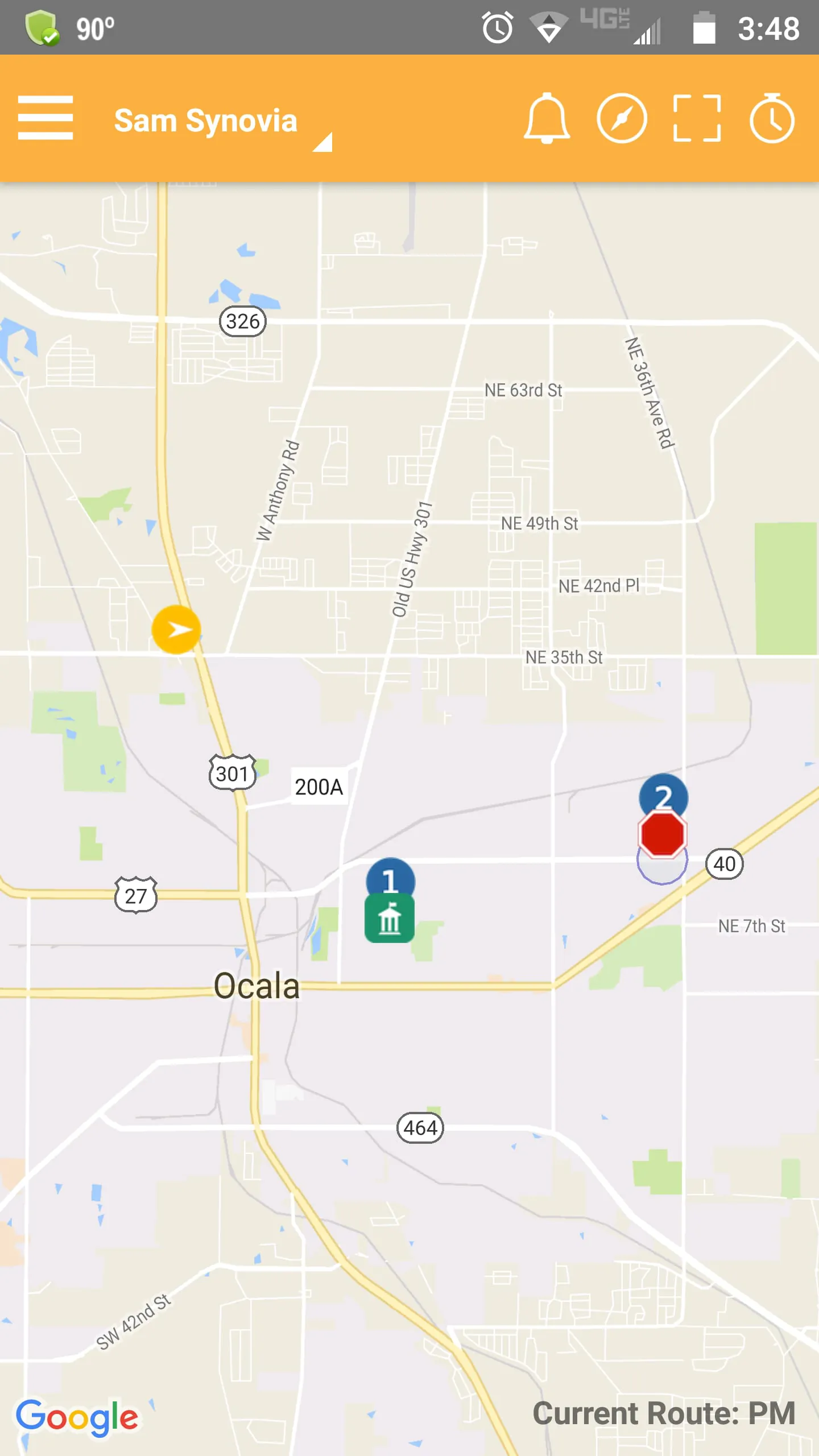
Real-time tracking, at its core, involves monitoring the location of an object or person as it changes. This technology is employed in various fields, from logistics and transportation to education, providing continuous updates and valuable insights. In the context of educational apps, it offers parents and students a way to monitor school bus locations, enhancing safety and predictability.
Benefits of Real-Time Tracking
The primary benefit is increased transparency. Knowing the exact location of the bus reduces uncertainty and anxiety. For example, a parent can avoid unnecessary waiting at the bus stop in inclement weather, or a student can better manage their time knowing the bus's estimated arrival.
Learning Connection: This feature introduces the concept of GPS technology and its practical applications in everyday life. It can also spark discussions about data privacy and security.
Data Security and Privacy: Protecting Sensitive Information
Any application that tracks location data must prioritize security and privacy. This includes using encryption to protect data in transit and at rest, adhering to relevant data privacy regulations (like COPPA for children's data), and being transparent about data collection practices.
- Data Encryption: Scrambling data to prevent unauthorized access.
- Privacy Policies: Clear explanations of how data is used and protected.
- Limited Data Retention: Storing data only as long as necessary.
Real-World Application: Discuss the importance of reading privacy policies and understanding how personal information is handled by different services.
User Interface (UI) and User Experience (UX): Designing for Ease of Use
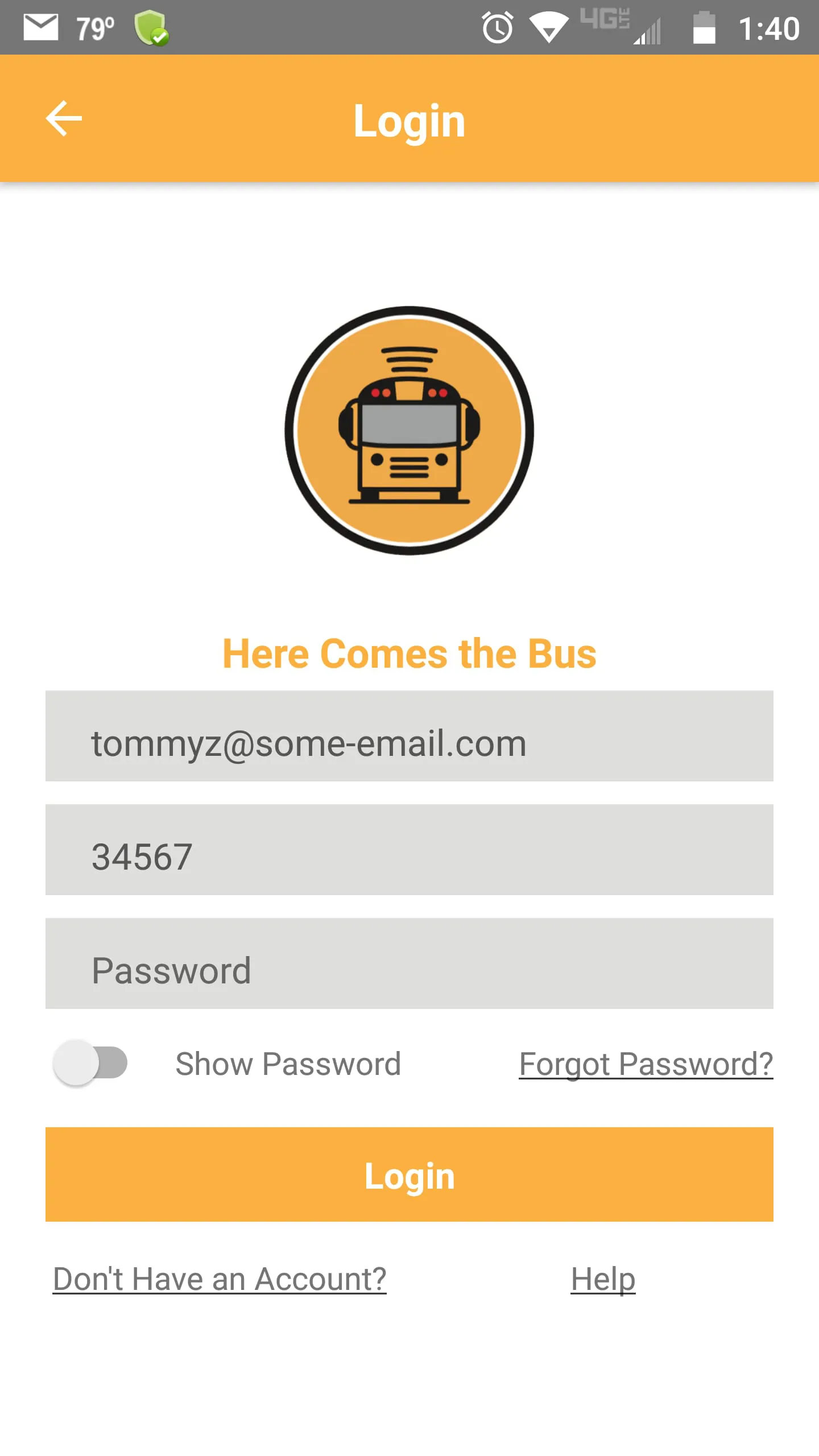
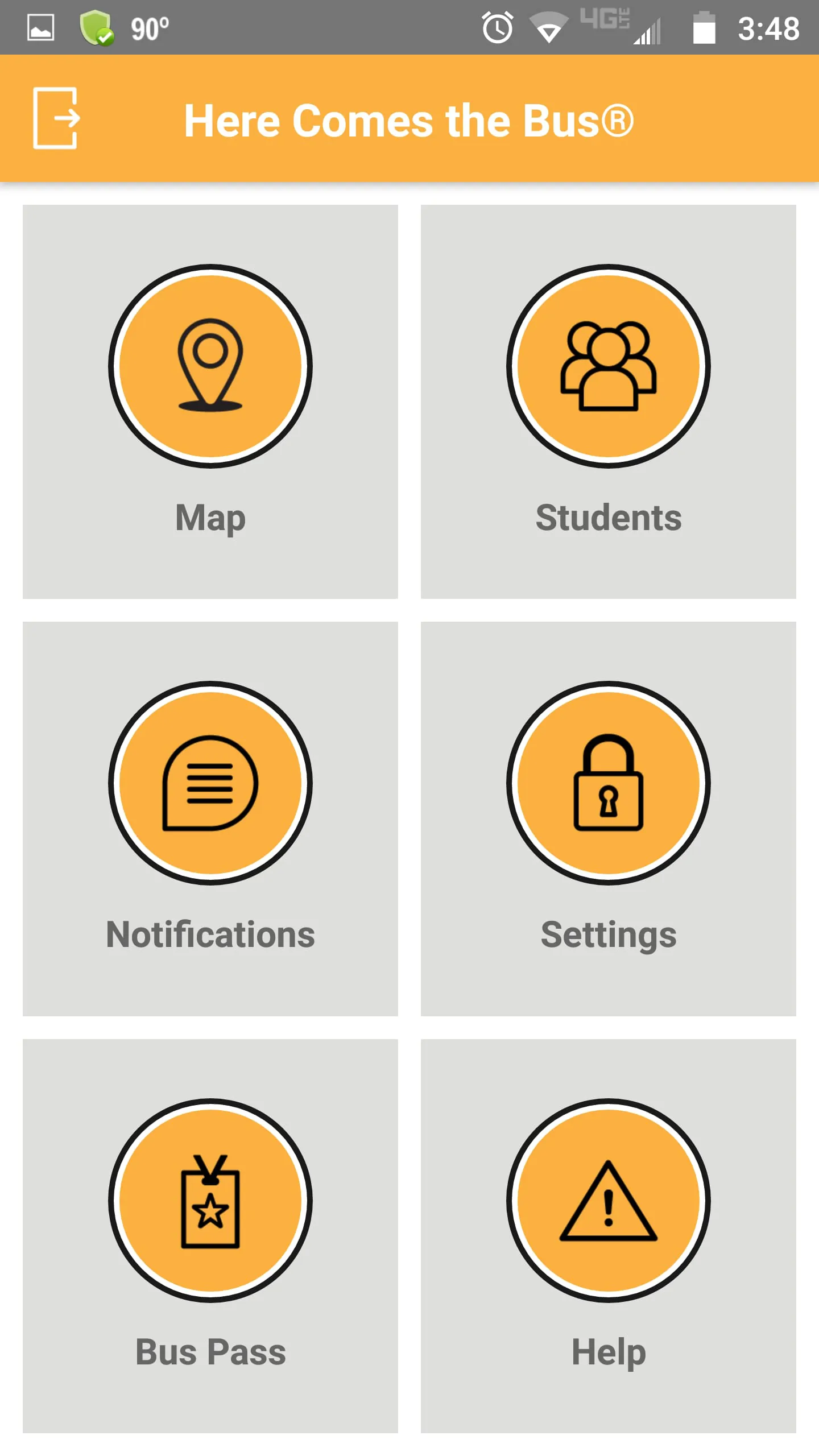
A well-designed educational app should be intuitive and easy to navigate. The information presented should be clear, concise, and relevant to the user's needs. Key elements include:
- Clear Visualizations: Easy-to-understand maps and icons.
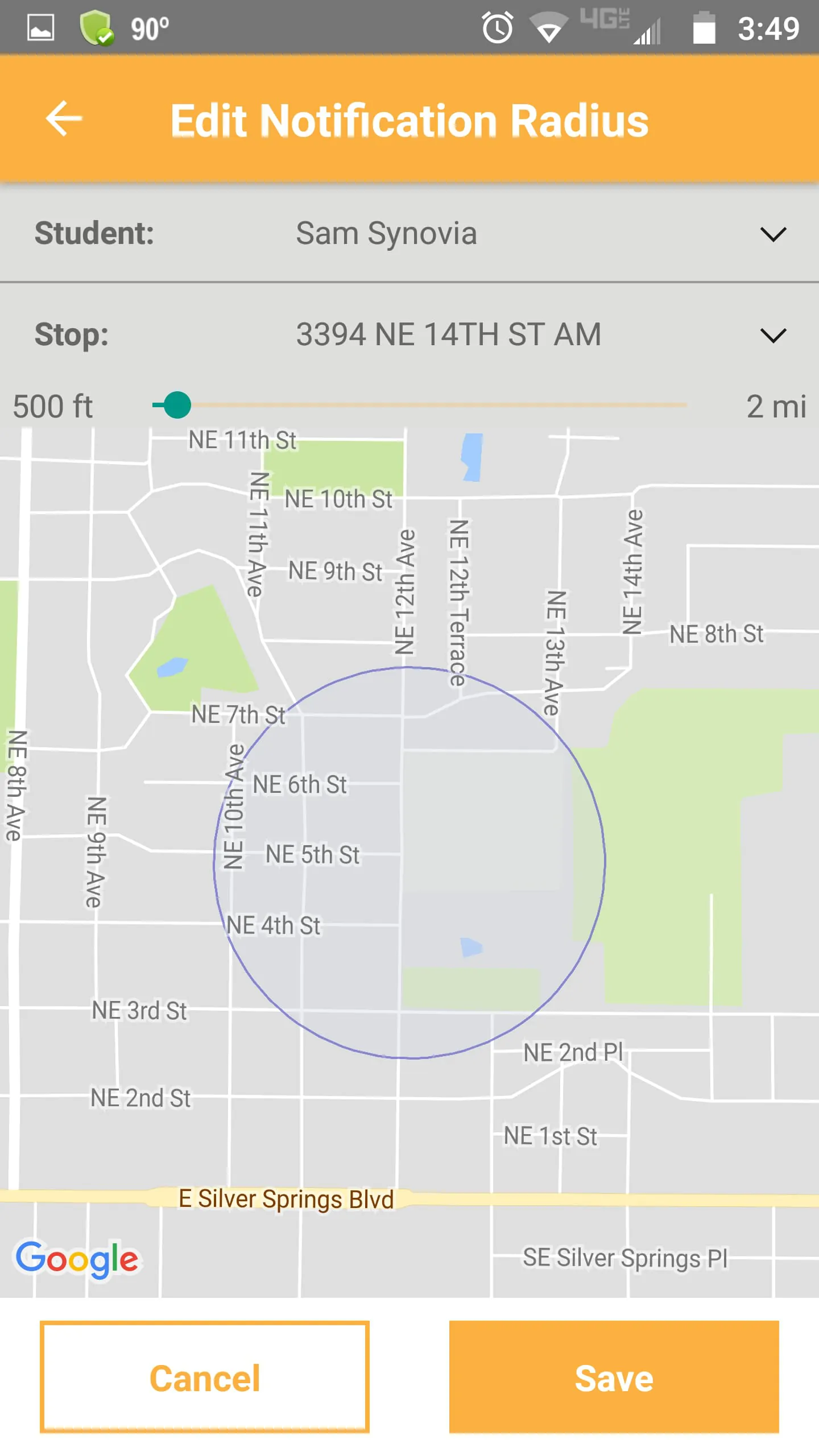
- Customizable Notifications: Alerts that can be tailored to individual preferences.
- Accessibility Features: Options for users with disabilities, such as larger font sizes or screen reader compatibility.
Advantages
-
Improved safety and security for students.
-
Reduced wait times at bus stops.
-
Enhanced communication between parents, schools, and transportation providers.
-
Potential for cost savings through optimized bus routes.
Disadvantages
-
Potential privacy concerns related to location tracking.
-
Dependence on accurate GPS data.
-
Possible technical issues with the app or GPS devices.
-
Cost of implementing and maintaining the system.
Educational Opportunities: Beyond Tracking
While the primary function is tracking, the app can also offer educational opportunities. For example, students can learn about geography by observing the bus route on a map, or they can practice time management by planning their morning routine based on the bus's arrival time. Schools can use the data collected to analyze traffic patterns and optimize bus routes, providing a real-world application of data analysis skills.
Overall Educational Value
The app offers indirect educational value by promoting responsibility, time management, and awareness of technology in daily life.