
Movement design
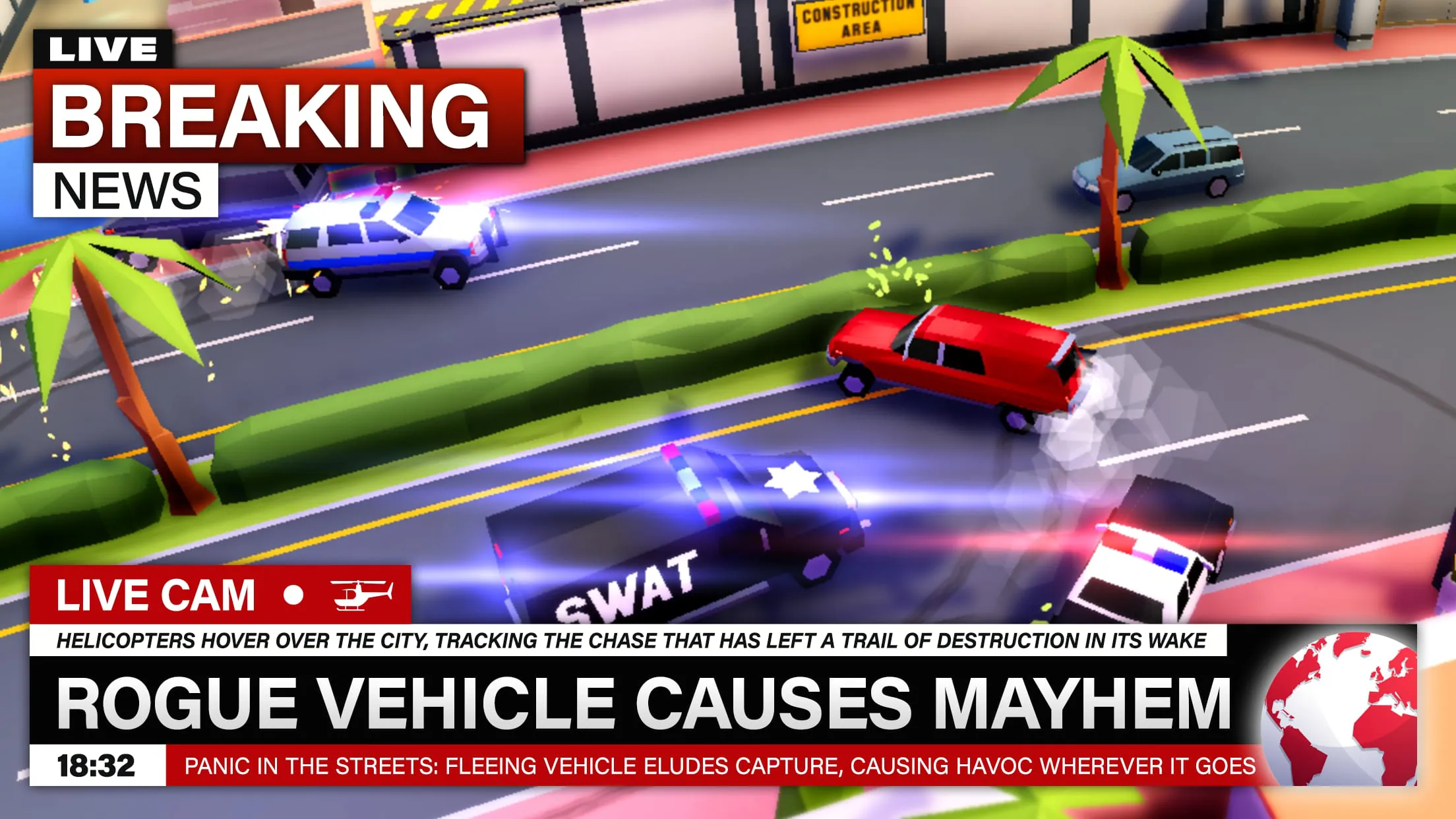
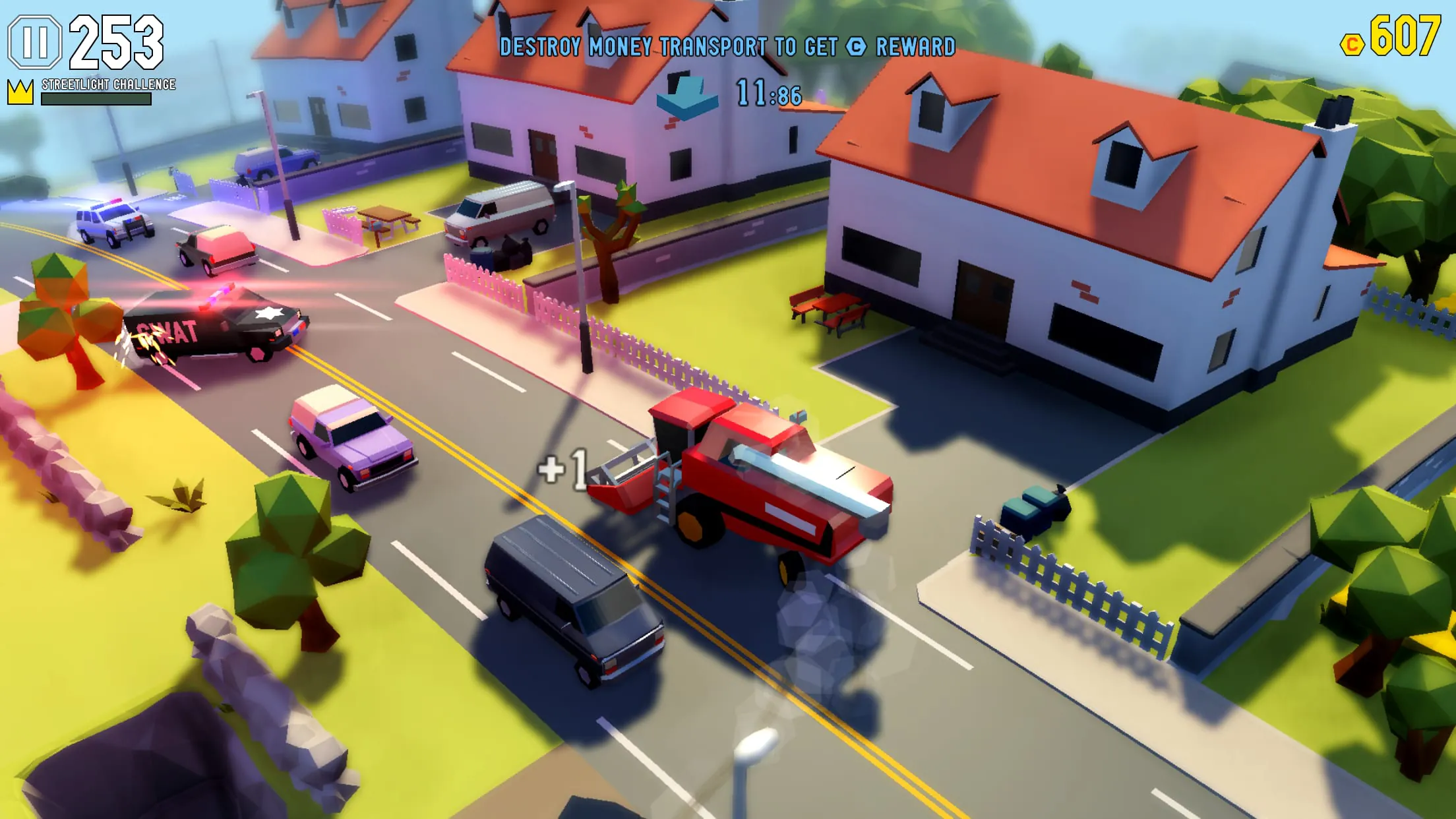
The core movement design revolves around simple, intuitive controls. The car handling is arcade-like, prioritizing fun over realism. Drifting and quick turns are key to evading capture. The game uses a top-down perspective, offering a clear view of the surrounding environment and potential escape routes.
- Easy to learn controls
- Responsive car handling
- Can feel repetitive after extended play
- Physics are not realistic
Seamless paths
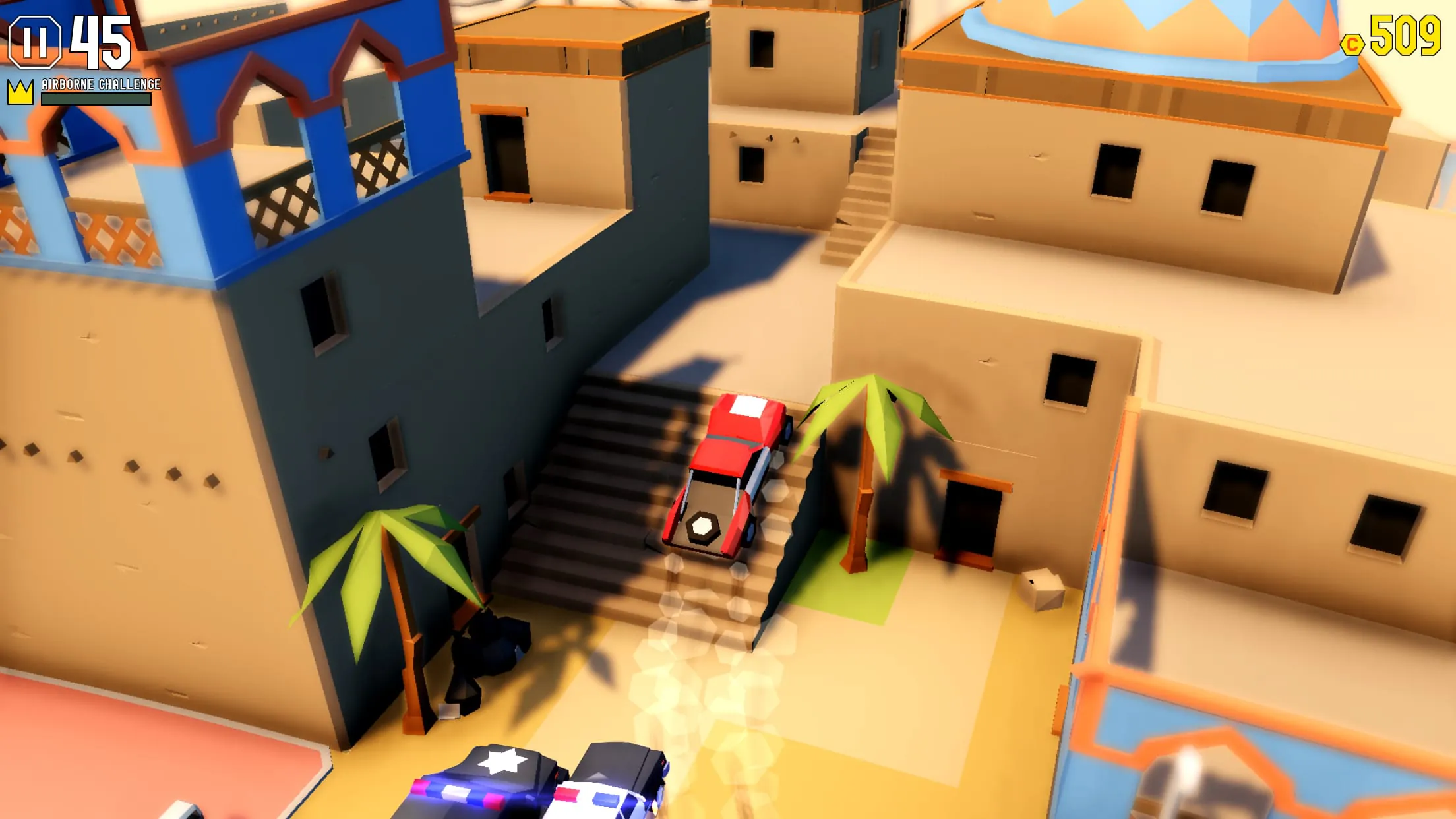
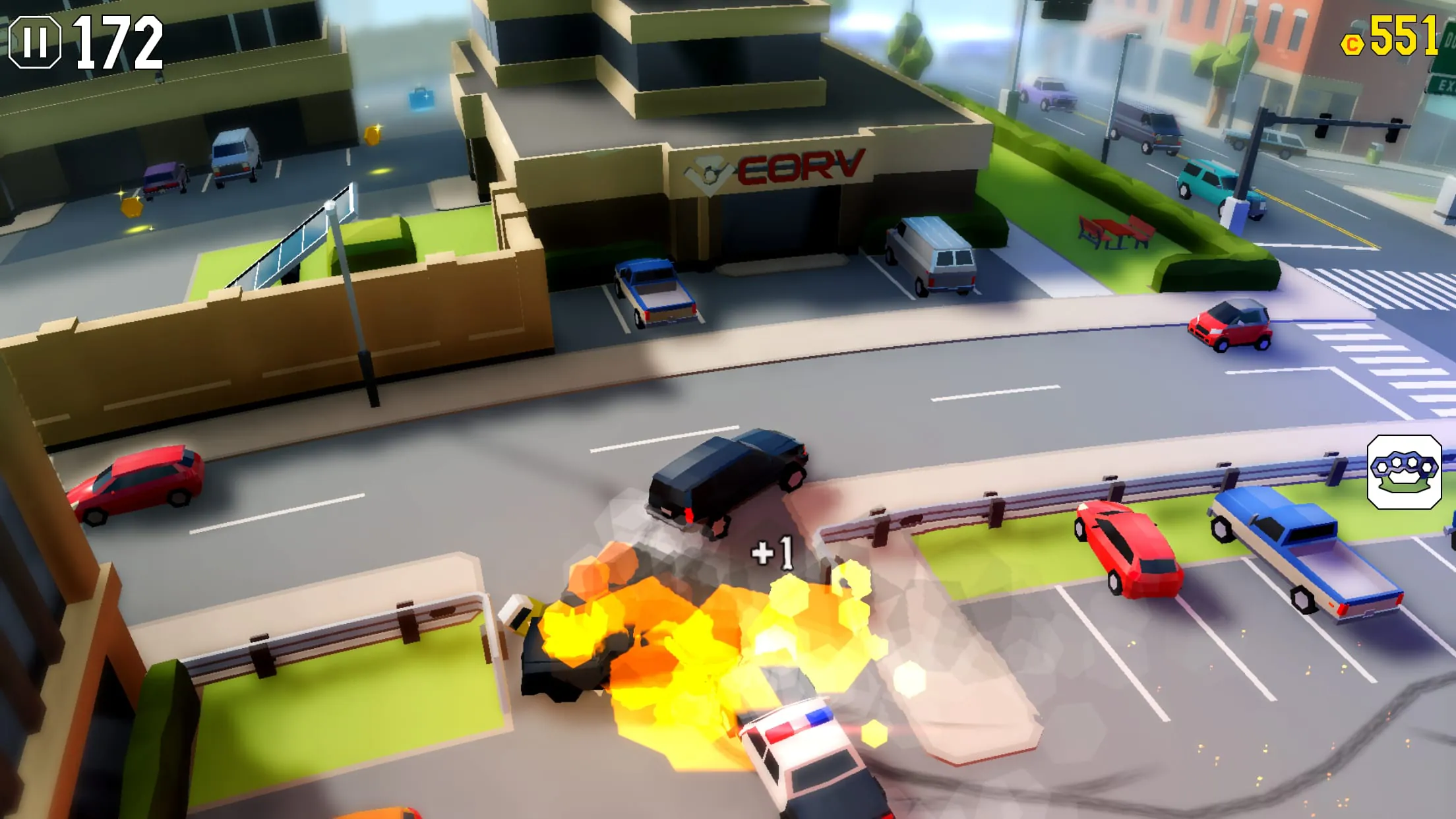
The levels are designed to offer multiple paths for escape. Players can choose to ram through obstacles, take tight corners, or exploit shortcuts to outmaneuver the police. The environment is destructible, creating dynamic pathways as the chase progresses.
Flow features
Key flow features include the ever-present police pursuit, destructible environments, and power-ups. The constant threat of capture keeps players engaged and encourages strategic decision-making. Power-ups like speed boosts and EMPs can dramatically alter the course of the chase.
Rhythm points
The game creates a sense of rhythm through its escalating challenges. Each level introduces new enemy types and environmental hazards, increasing the difficulty and requiring players to adapt their tactics. The music and sound effects are synchronized to enhance the feeling of speed and intensity.
Smooth transitions
Transitions between levels are brief, maintaining the momentum of the gameplay. The difficulty curve is well-balanced, gradually introducing new mechanics without overwhelming the player. The game also offers a variety of unlockable cars, providing a sense of progression and encouraging replayability.
Overall Flow Value
The game offers a satisfying and engaging experience, blending simple controls with dynamic environments and escalating challenges. While it can become repetitive, the unlockable content and varied level design provide sufficient replay value to keep players entertained. The focus on arcade-style action over realism makes it accessible to a wide audience.