
Movement design
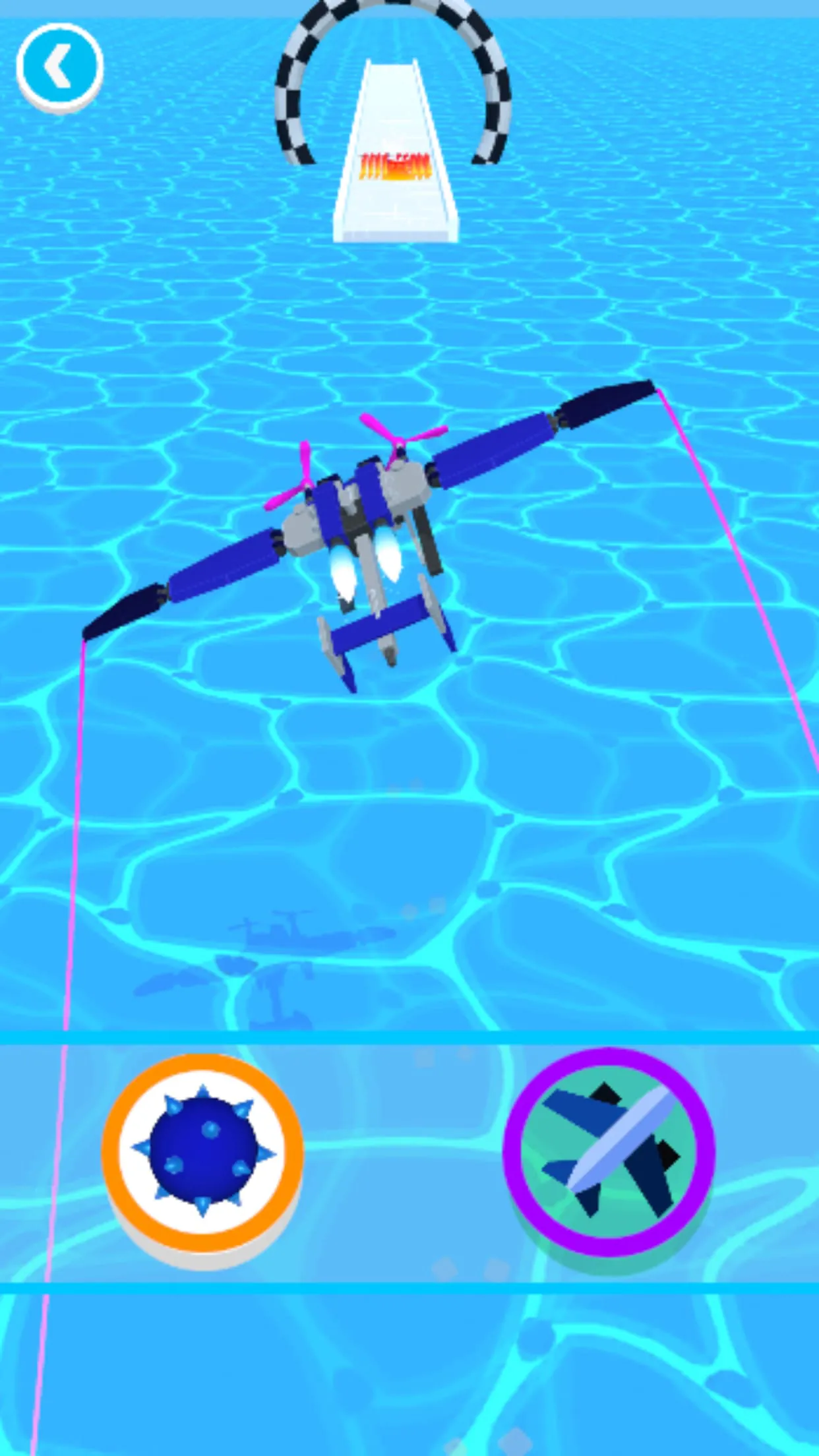
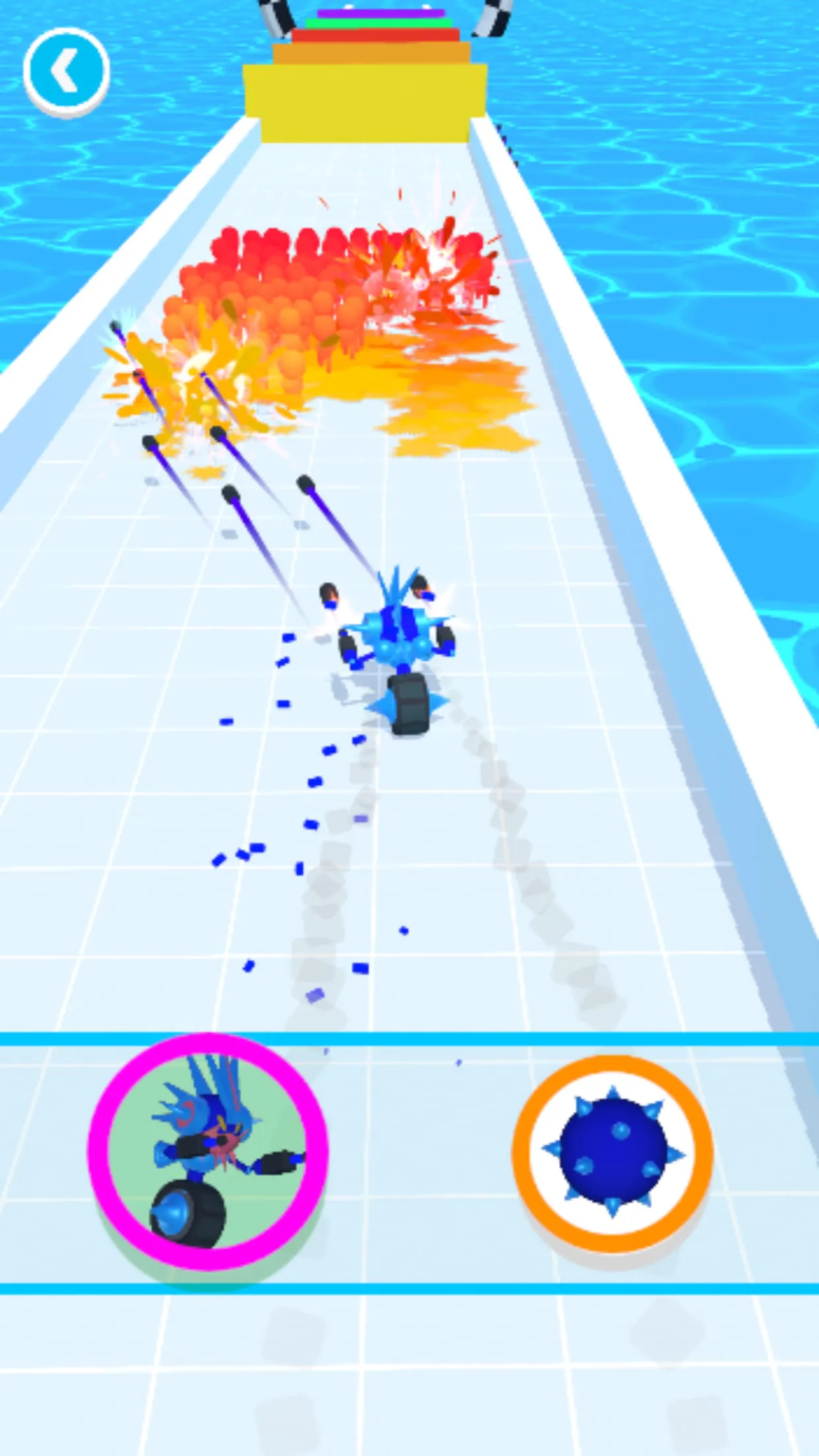
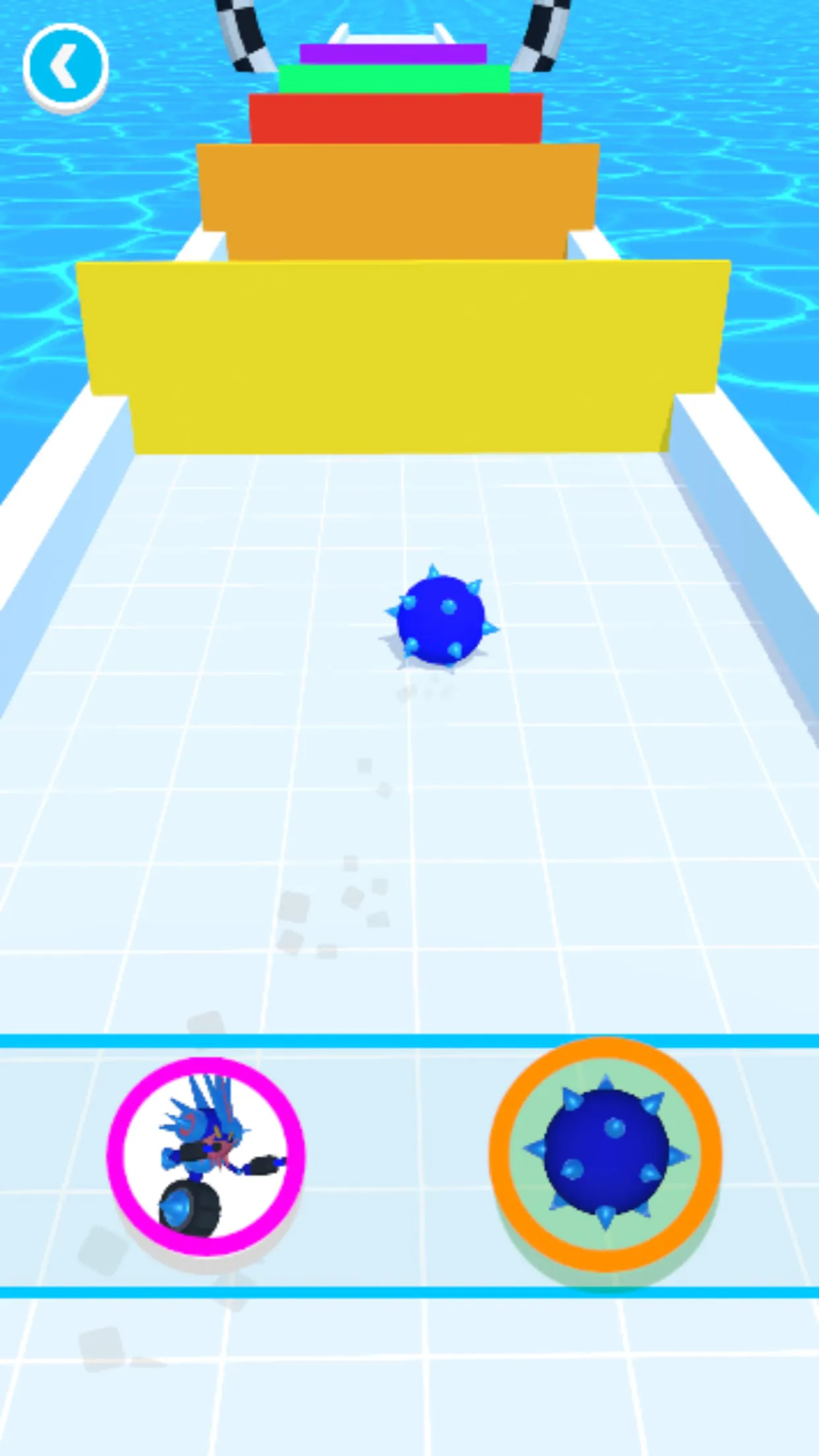
The core movement mechanic revolves around transforming and running. The transformation sequence adds a brief pause, creating a deliberate rhythm to the gameplay. This isn't just about speed; it's about timing and choosing the right moment to switch forms.
- Dynamic transformation sequences
- Varied running environments
- Slight delay during transformation.
- Repetitive environments.
Seamless paths
Seamlessness is achieved through level design that anticipates player actions. Obstacles are placed in ways that encourage strategic transformations. The game guides the player forward, even with the constraints of form switching.
Adaptive Obstacle Placement
Obstacles are not static; they dynamically adjust based on the player's progress, ensuring a continuous flow of challenge.
Flow features
The flow is maintained by a consistent reward system. Collecting items during runs provides immediate feedback and contributes to a sense of progress. The level design integrates with the core mechanic, making flow intuitive.
- Item collection for instant rewards
- Clear path indicators.
- Intuitive transformation prompts.
Rhythm points
Rhythm is established through the cadence of transformations and runs. Obstacle patterns create a sense of anticipation, which is broken by the transformation mechanic. This creates a push-and-pull rhythm that is fundamental to the experience.
Rhythm Evaluation
The rhythm established by obstacle patterns and transformation mechanics keeps players engaged.
Smooth transitions
Transitions between segments are generally smooth, with loading times kept to a minimum. The visual style supports seamless transitions by maintaining a consistent aesthetic throughout different environments.
| Transition Type | Smoothness Level |
|---|---|
| Level Start | High |
| Form Change | Medium |
Overall Flow Value
The game achieves a moderate level of flow. Improvements to transformation speed and environment variety could enhance the overall experience.