
Design foundations
The core design is built upon the familiar idle game loop, where resource generation and upgrades occur automatically. This foundation aims to create a sense of progression and achievement with minimal active input from the player. The simulation elements add depth to this base by incorporating various aspects of prison management.
Structure elements
-
Progression System:
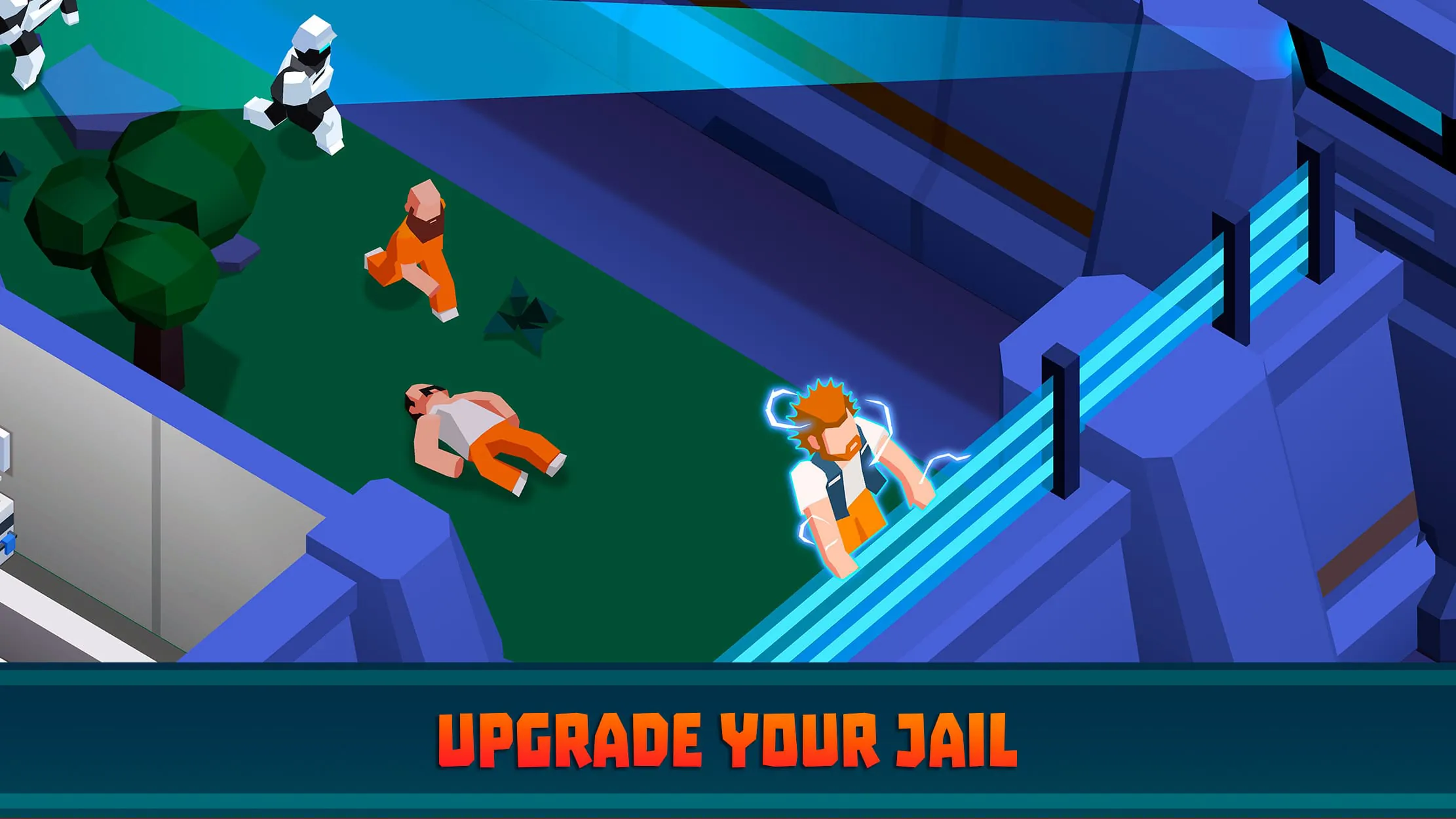
Tiered upgrades drive player engagement.
-
Resource Management:
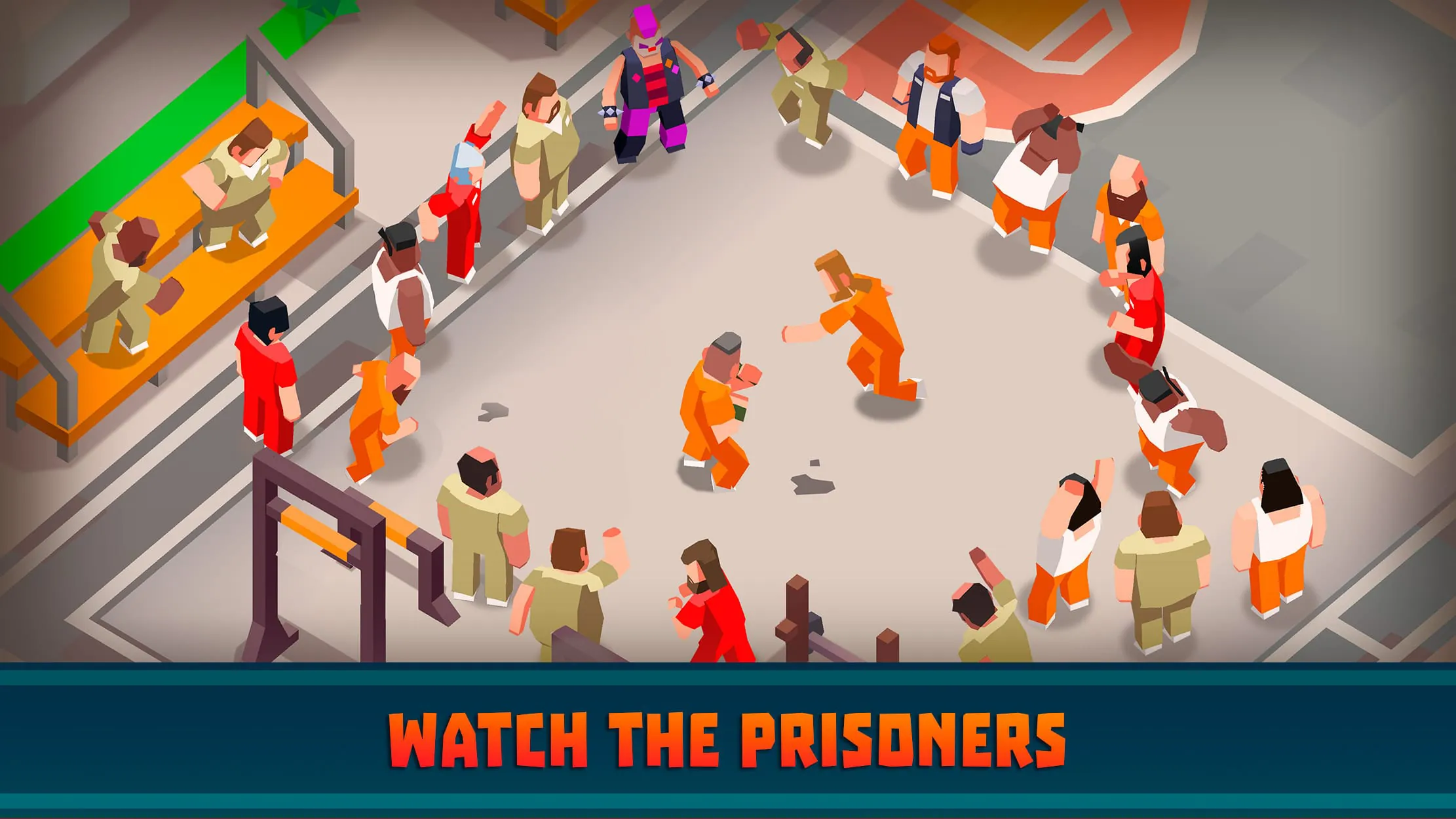
Balancing inmate happiness, security, and finances.
-
Visual Hierarchy:
Clear distinctions between upgrade options and available resources.
These elements combine to form a structure that supports the gameplay experience.
Experience blueprints
The user experience is designed around ease of access and clear feedback. The blueprint includes:
- Intuitive UI: Easy-to-understand icons and labels.
- Visual Cues: Clear indicators of progress and status.
- Reward System: Frequent rewards to maintain player motivation.
The game aims to provide satisfying feedback for actions taken, reinforcing the simulation aspect and providing continuous encouragement.
Space organization
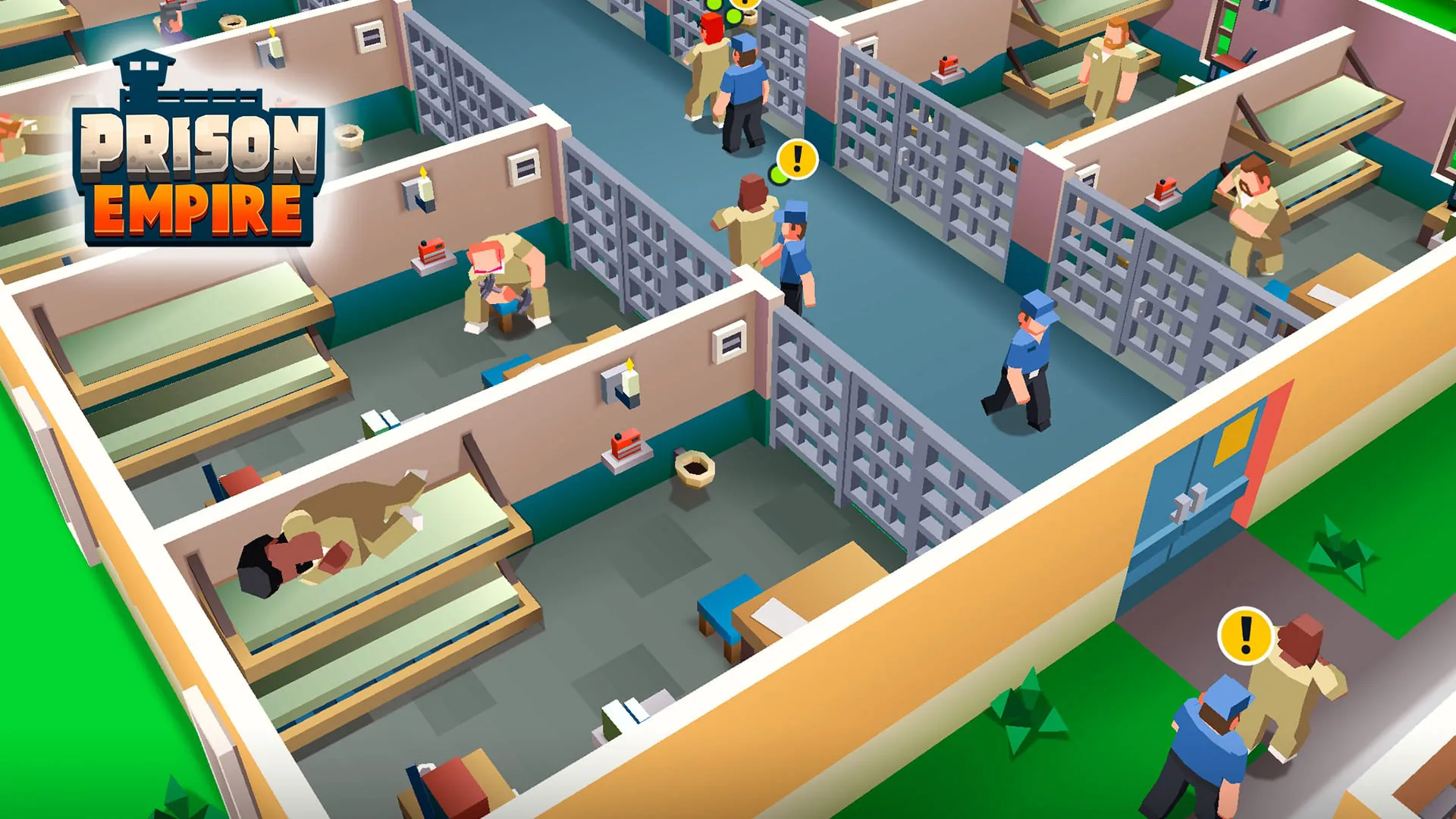
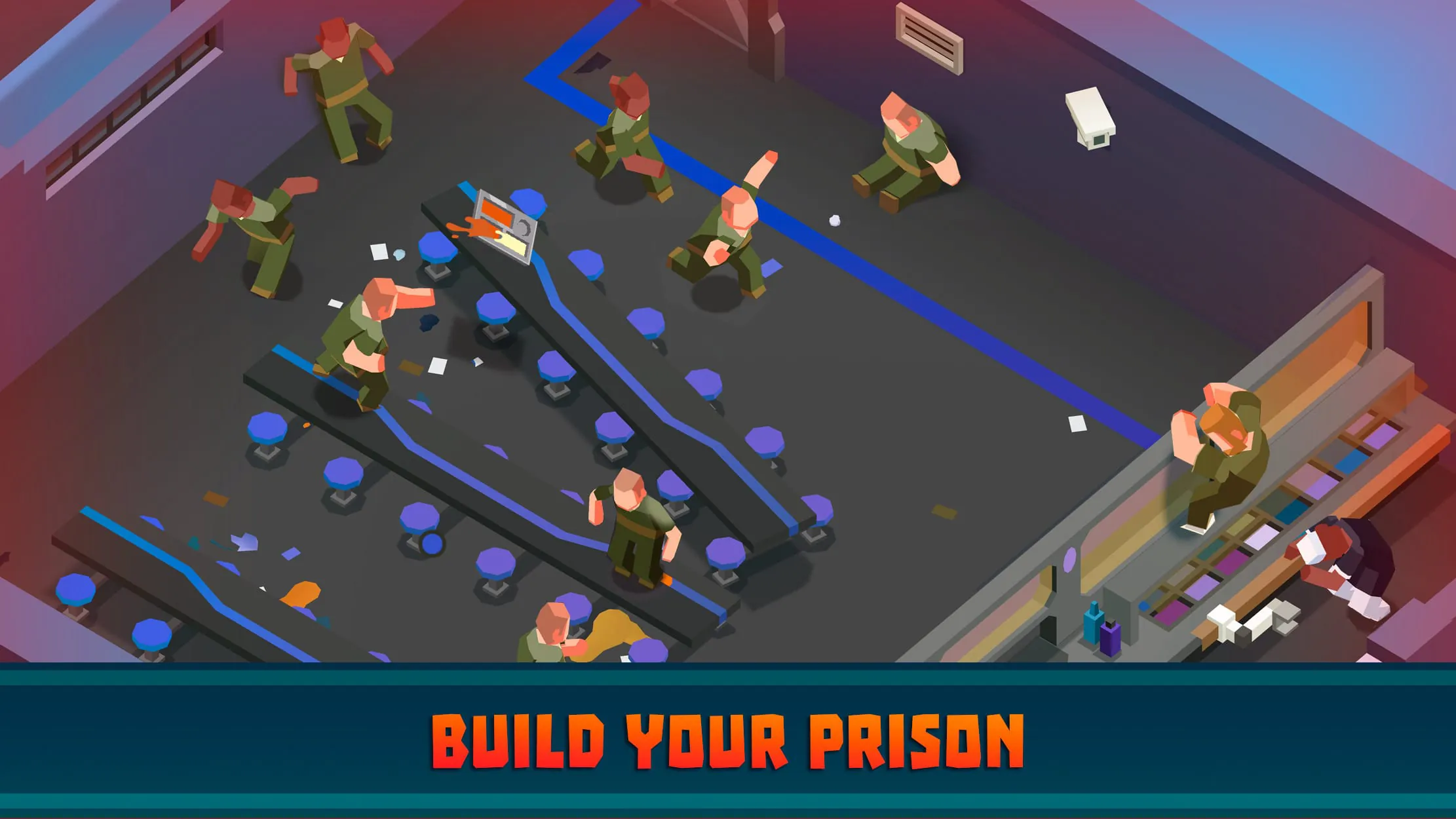
The game's spatial organization focuses on efficient resource placement and management. Different areas of the prison are unlocked sequentially, expanding the player's control and responsibilities. This methodical expansion presents new opportunities for the player as they play.
Pros
- Well-defined zones for different prison activities
- Clear separation of upgrade paths
Cons
- Limited ability to customize spatial layouts
- Potential for screen clutter as the prison expands
Flow patterns
User flow is guided by a series of interconnected actions. Players start by managing basic resources, then expand their facilities, and eventually unlock new upgrades and challenges. This linear flow allows the player to master the basics before confronting the more complicated nuances of the game.
Overall Design Value
While the game adheres to established idle game conventions, its architectural design effectively integrates simulation elements, creating a comprehensive user experience. The spatial design encourages expansion, while the flow patterns provide a guided path for player progression. The overall design offers a blend of accessibility and depth, making it engaging for both casual and strategic players.